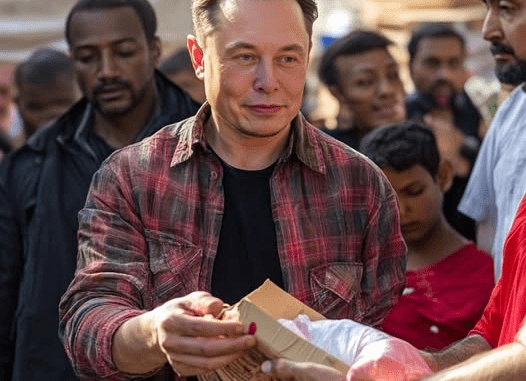
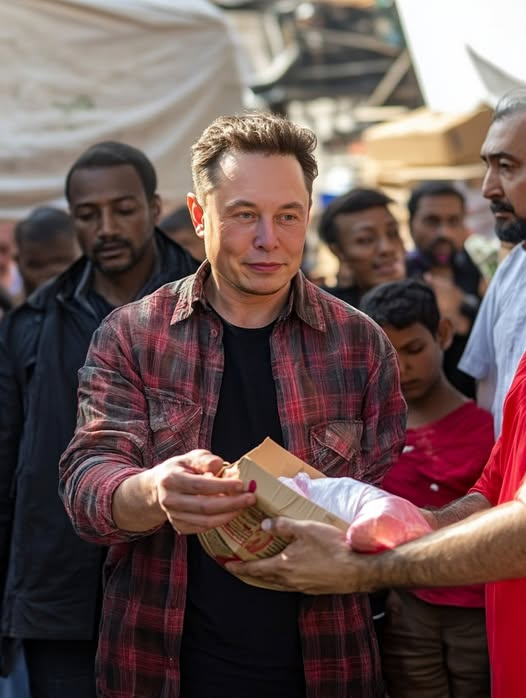
Elon Musk is a name that resonates across the globe, not just for his extraordinary accomplishments in technology, space, and clean energy, but also for the profound impact he has on those around him through small, meaningful gestures. While he is often in the spotlight for launching rockets, building futuristic cars, and envisioning a multiplanetary civilization, it is the simpler moments—like offering fast food to others—that reveal another important facet of his character. These actions may seem minor in the shadow of his billion-dollar ventures, but they hold powerful emotional and social significance, both for Musk and for those who benefit from his generosity.
When Elon Musk provides fast food to others, it is more than just an act of sharing a meal—it is an expression of humanity, humility, and connection. Even someone as wealthy and influential as Musk understands the emotional importance of food as a universal language of care and community. In such instances, he may experience a profound sense of satisfaction and inner fulfillment, knowing that his gesture, no matter how small, has made someone else’s day a little brighter. This feeling is not rooted in public recognition or personal gain, but in the deeper reward that comes from contributing to the well-being of others.
Generosity as a Core Human Value
Generosity is a value that transcends social status and personal wealth. For Elon Musk, giving fast food to others is not about luxury or indulgence—it is about meeting a basic human need with warmth and kindness. By offering something as simple and familiar as a fast food meal, Musk bridges the gap between himself and others. He steps out of the realm of elite business dealings and into the everyday world where human connection matters most. Such acts underscore his belief in the power of empathy and community, even amidst his high-tech, high-stakes lifestyle.
This kind of giving also reinforces the idea that no act of kindness is too small. In a world that often equates generosity with large donations or major philanthropy, Musk reminds us that simple, tangible actions—like sharing a meal—can have a lasting emotional impact. Whether it is employees working long hours, strangers in need, or team members sharing a moment of celebration, providing food fosters a sense of care and appreciation that strengthens relationships and boosts morale.
Emotional Satisfaction Through Contribution
From a psychological perspective, giving is intrinsically rewarding. When Musk offers fast food to others, he likely experiences positive emotions such as joy, contentment, and a sense of purpose. This act of contribution reinforces his identity not just as a leader or innovator, but as someone who values people and the connections that make us human. These moments offer a break from the intensity of his work and allow him to engage in authentic, face-to-face interactions.
This emotional reward is amplified by the spontaneous nature of the gesture. Unlike strategic business decisions, these moments are driven by instinct, compassion, and immediacy. They provide Musk with a unique kind of satisfaction that differs from the metrics of profit and performance. It is the kind of fulfillment that comes from knowing that you have touched someone’s life, even in a small way.
Building Mutual Respect and Goodwill
Generosity from a public figure like Elon Musk does more than offer material support—it cultivates goodwill and mutual respect. For those who receive food from someone of his stature, the experience can be deeply moving. It sends a message that despite his fame and fortune, Musk sees them as individuals worthy of kindness and attention. This recognition can spark feelings of appreciation, inclusion, and dignity.
Moreover, such actions can inspire others to follow suit. When people witness someone as prominent as Musk engaging in simple acts of giving, it sets a powerful example. It shows that no one is too important or too busy to care. This ripple effect of compassion can influence company culture, social dynamics, and even public behavior. In a world often dominated by competition and individualism, Musk’s gestures stand as reminders of the importance of empathy and shared humanity.
A Sense of Community in a Divided World
Today’s world is marked by increasing division—economic, political, and social. Acts of kindness, particularly those from influential figures, play a vital role in bridging these divides. When Musk offers fast food to others, he is not just offering food; he is creating a moment of unity. For that brief moment, social barriers fade away, and what remains is a shared human experience.
This sense of community is essential not only in personal relationships but also in the workplace and society at large. Musk’s companies—like Tesla and SpaceX—rely heavily on teamwork, trust, and shared vision. Simple gestures such as providing meals can strengthen those bonds, showing employees and collaborators that they are seen, valued, and supported. In doing so, Musk cultivates a work environment rooted in mutual respect and collective effort.
A Lasting Emotional Impression
The emotional impact of receiving food from someone like Elon Musk cannot be overstated. For many, it becomes more than just a meal—it becomes a memory. It is a moment where they feel acknowledged and appreciated, not just as workers, fans, or strangers, but as fellow human beings. These moments can lift spirits, boost confidence, and even rekindle hope. The feeling of being valued by someone so admired can leave a lasting impression that fuels motivation and gratitude.
Additionally, such moments can redefine how people perceive wealth and success. When individuals witness kindness from someone in Musk’s position, it challenges the stereotype of distant, untouchable billionaires. It humanizes him and, in turn, reaffirms the belief that kindness can and should exist at every level of society.
Conclusion: The Profound Impact of a Simple Meal
In the grand scheme of Elon Musk’s ventures, offering fast food to others may seem like a minor footnote. But these moments carry a quiet significance that extends far beyond calories or convenience. They reflect Musk’s understanding that leadership is not just about innovation and ambition—it is also about compassion, humility, and connection.
Through such gestures, Musk not only nourishes the body but also nurtures the human spirit. He shows that even in a world of rockets and AI, it is still the simplest acts of kindness that remind us who we are. In providing fast food to others, he creates a moment of shared humanity—one that speaks volumes about the kind of world he is working to build.