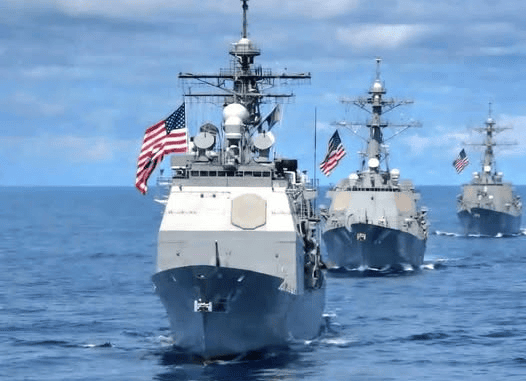
Modern naval power relies heavily on advanced technology, strategic positioning, and state-of-the-art warships that safeguard global maritime security. In open ocean operations, United States Navy destroyers and cruisers frequently demonstrate unmatched tactical cohesion and impressive mobility. The majestic sight of warships cutting through deep blue ocean waters highlights the strength and precision of contemporary naval engineering. Flying the American flag proudly, these sophisticated naval vessels sail in synchronized formations to conduct routine patrols and combat exercises. Maritime dominance requires powerful defense systems capable of responding swiftly to potential regional and international threats. The Arleigh Burke-class destroyers and Ticonderoga-class cruisers serve as critical components of carrier strike groups and surface action groups worldwide. Equipped with advanced Aegis Combat Systems, these warships provide formidable air defense capabilities against sophisticated air and missile threats. Integrated radar technology allows naval operators to detect, track, and engage multiple airborne and surface targets simultaneously. As these steel behemoths navigate the vast sea, their powerful propulsion systems leave striking white wakes across the water surface. Dynamic maneuvers on the open sea require highly trained sailors who execute tactical commands with remarkable discipline and speed. Freedom of navigation operations remain vital for protecting global trade routes and maintaining peace across international waters. Commercial shipping relies on strong naval forces to secure sea lanes from piracy, illegal maritime activity, and aggressive naval incursions. Strategic naval deployments ensure that international sea lanes remain open and accessible for global commerce and cooperation. The impressive visual display of guided-missile destroyers sailing together reflects years of continuous training and technological innovation. Advanced communications networks enable real-time tactical data sharing among allied warships operating across vast distances. Electronic warfare capabilities installed on these modern ships can disrupt adversary sensors and protect friendly forces during engagements. Vertical launching systems onboard provide versatility by storing and launching a wide variety of anti-air and land-attack missiles. Naval engineers constantly refine ship hulls and propulsion technology to enhance speed, endurance, and operational efficiency. High-speed ocean maneuvers showcase the structural resilience and hydrodynamics engineered into modern military vessel designs. Officers on the bridge maintain constant vigilance while coordinating complex fleet formations across unpredictable sea conditions. Every warship in the formation plays a specific tactical role, creating a layered defense shield for the entire naval task force. Joint maritime operations enhance interoperability between different branches of the armed forces and international security partners. Modern surface combatants are equipped with advanced anti-submarine warfare gear to detect silent subsurface threats deep beneath the waves. Sonar technology and anti-submarine torpedoes ensure complete domain awareness in contested ocean environments around the globe. Naval aviation assets such as MH-60 Seahawk helicopters frequently operate alongside these destroyers to expand reconnaissance ranges. Flight decks on surface combatants allow for seamless vertical replenishment and continuous aerial surveillance capabilities. The dedication of naval personnel ensures that complex machinery operates reliably during extended deployments overseas. Life aboard a deployed warship requires intense focus, teamwork, and resilience from every crew member on board. From engineering compartments deep within the hull to high-tech command centers, crew members work around the clock. Rigorous drill schedules ensure that modern sailors are prepared to manage shipboard emergencies, combat engagements, and sea rescues. Strategic deterrence remains one of the primary missions for forward-deployed naval fleets worldwide. The visible presence of powerful warships deters potential aggressors and reinforces regional security agreements with allied nations. Dynamic naval exercises demonstrate power projection and reassure global partners of enduring military support. Technological advancements in naval weaponry continue to redefine modern maritime warfare and strategic defense doctrine. Automated gun systems provide close-in defense against fast attack craft, incoming missiles, and unmanned aerial vehicles. Cyber security defenses are integrated into shipboard computer networks to safeguard operational command structures against digital attacks. As ocean conditions change, ship captains rely on precise meteorological data to navigate safely through severe marine weather. Fueling and replenishment at sea enable these warships to remain operational for extended periods without returning to port. The logistics of sustaining naval operations across distant oceans highlight the unmatched supply network of modern navies. High-definition radar and optronic sensors provide continuous situational awareness across all operational domains day and night. Environmental protection measures are also integrated into warship designs to minimize ecological impact on marine ecosystems. The sleek aesthetic of modern warships combines stealth features with durable construction to reduce radar signatures significantly. Naval power projection acts as a cornerstone of international diplomacy and regional stability in geopolitical hotspots. Precision navigation tools allow captains to maintain tight tactical distances while steaming at high speeds in formation. The powerful cresting waves generated by these massive vessels highlight the immense energy driving them through the water. Military strategists continue to emphasize the importance of maintaining strong surface combat fleets in an evolving global landscape. Future developments in naval architecture will incorporate directed-energy weapons and autonomous systems into fleet tactics. Unmanned surface vessels are increasingly operating alongside traditional warships to expand tactical flexibility and sensor range. The footage capturing these warships slicing through the ocean serves as an inspiring showcase of military readiness and maritime prowess. Ultimately, modern surface fleets remain an indispensable symbol of national strength, technological excellence, and global stability.