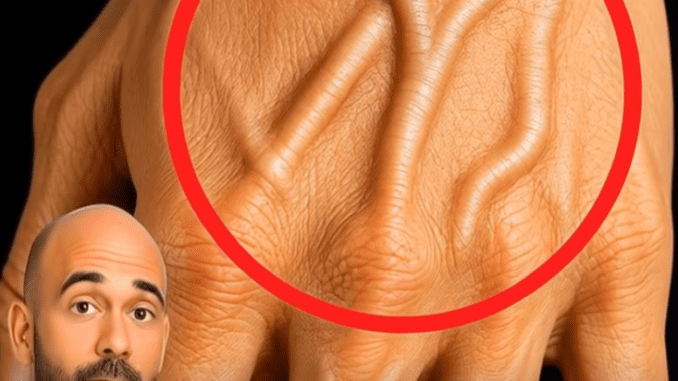
The phrase “If you have visible veins, it means that…” often triggers categorical statements that generate anxiety. The reality is that visible veins don’t have a single cause; it’s a multifactorial phenomenon that can be completely normal or, in some contexts, indicate the need to consult a professional.
In most cases, visible veins are normal and benign . Their prominence is influenced by:
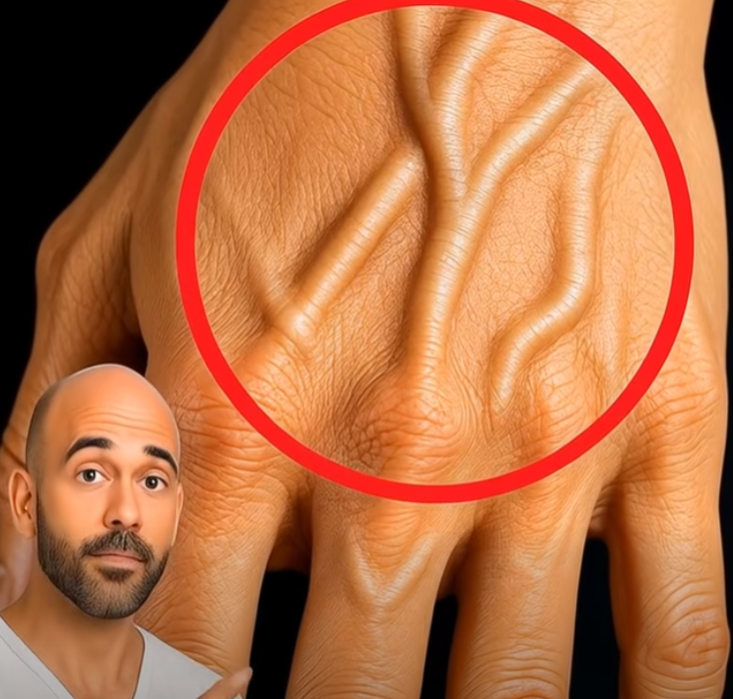
- Genetics: Skin transparency and tone are hereditary. People with very light skin will see them more easily.
- Low body fat percentage: Athletes or individuals with a low body fat index have less adipose tissue to hide veins.
- Exercise: Physical activity increases blood flow and pressure, causing veins to dilate and bulge temporarily.
- Temperature: Heat causes vasodilation, causing veins to expand and become more noticeable.
However, when visibility is accompanied by symptoms such as pain, heaviness, swelling, a localized sensation of warmth, itching, or changes in skin color, it may be a sign of an underlying condition. The most common is varicose veins, which occur when venous valves weaken, allowing blood to accumulate and cause swelling and deformation of the vein. Another less common but more serious condition is thrombophlebitis , which is the inflammation of a vein due to a blood clot.
Therefore, visible veins alone are rarely cause for alarm. The key is to observe whether there are other associated symptoms. When in doubt, consulting a phlebologist (vein specialist) is always the best decision.
Recipes and Care to Promote Good Venous Health
These recommendations are intended to improve circulation and relieve discomfort, not to eliminate normal visible veins.
Recipe 1: Horse Chestnut and Rosemary Circulatory Infusion
Ingredients:
- 1 teaspoon of horse chestnut bark (make sure it’s safe to eat, from a reliable source)
- 1 sprig of fresh rosemary or ½ teaspoon dried.
- 250 ml of boiling water.
- Optional honey (to sweeten).
Elaboration:
- Place the herbs in a cup.
- Pour boiling water over them.
- Cover and let it steep for 10 minutes.
- Strain, sweeten if desired, and drink. Maximum one cup per day. Horse chestnut is known for its venotonic properties.
Recipe 2: Massage Oil for Tired Legs
Ingredients:
- 100 ml of carrier oil (sweet almond, jojoba or olive).
- 10 drops of cypress essential oil (circulatory tonic).
- 5 drops of peppermint essential oil (refreshing effect).
- 5 drops of lavender essential oil (anti-inflammatory and calming).
Elaboration:
- Mix all the oils in a dark glass bottle.
- Shake gently to combine.
- Gently massage your legs, always moving upward, from the ankles to the thighs. Never massage directly over a swollen or painful varicose vein.
Indications for Proper Use and Prevention:
- Movement: Avoid sitting or standing for long periods. Walk around, flex your ankles, and get up every hour.
- Elevation: At the end of the day, lie down and elevate your legs above the level of your heart for 15-20 minutes.
- Hydration: Drinking enough water keeps your blood flowing more fluidly.
- Cold Shower: Finish your shower with cold water on your legs to stimulate vein contraction.
- Comfortable clothing: Avoid tight clothing and high-heeled shoes for prolonged periods of time.
- Professional consultation: These prescriptions are adjuvants. If you experience pain, skin discoloration, or ulcers, see a doctor immediately. Do not self-medicate.