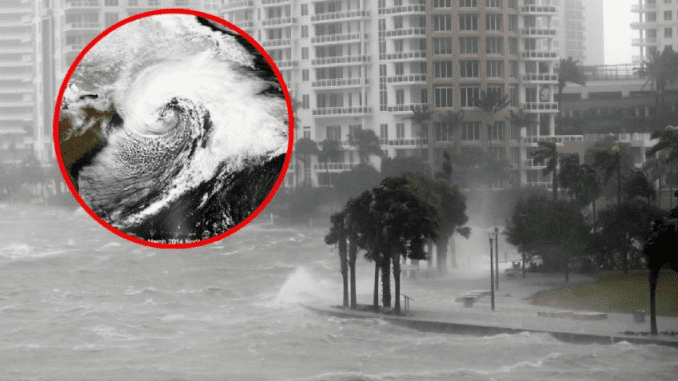
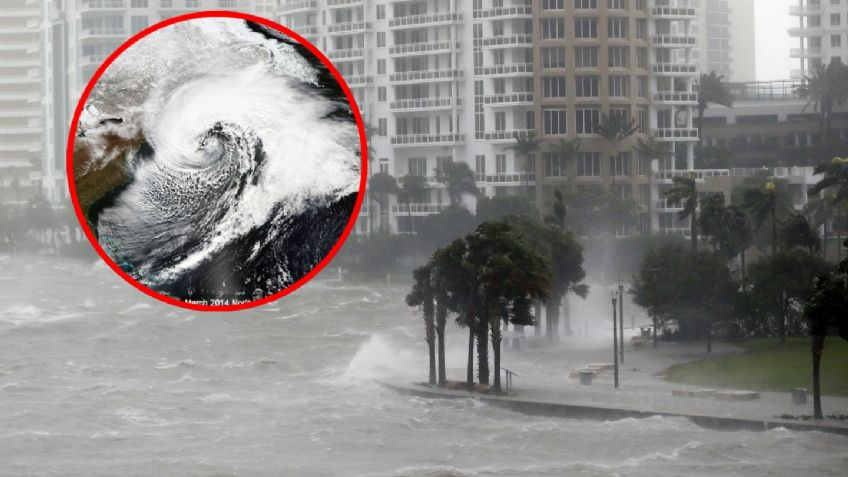
Scientists in the United States have gathered data over decades to determine the danger of a meteorological phenomenon that, like all meteorological phenomena, is cyclical: the Nor’easter, or Superstorm. They believe this phenomenon can be equally or more devastating than hurricanes, whose season is currently active, both in the Pacific and the Atlantic.
These events are defined as nor’easters, according to NOAA, which as their name suggests affect the east coast of the United States, generally from September to April, in the states of:
- Georgia
- New Jersey
- New England
- Philadelphia
- Washington
- Atlanta
- Baltimore
- Maine
According to NOAA, “The U.S. East Coast provides ideal conditions for the formation of nor’easters. During the winter, the polar jet stream carries cold Arctic air southward across the plains of Canada and the United States.”
Unlike hurricanes, the Super Storm that will affect the east coast is not dangerous due to the sustained speed of the winds, but rather due to
- Snowfall
- Floods
- Freezing air
The Deadliest Superstorms in History
Some of the deadliest superstorms scientists have learned about include:
- The snowfall of 1988
- The Ash Wednesday storm in March 1962
- The New England snowfall of February 1978
- The “Super Storm” in March 1993
- Winter storms in Boston in January and February 2015.