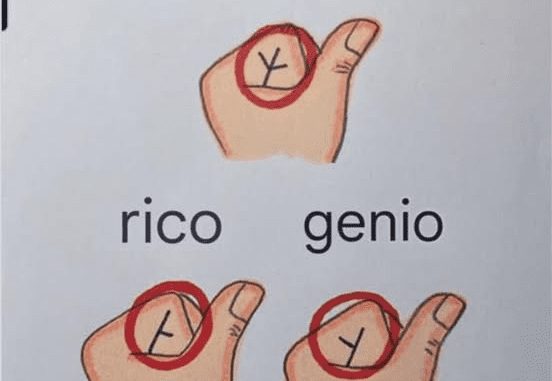
For centuries, palm reading has been used in various cultures to try to predict destiny, love, health, and even fortune. But is it possible that the shape, size, or characteristics of your hand can indicate your socioeconomic status? Although it may sound mystical or unscientific, there is research and social observation that links certain physical characteristics with living conditions.
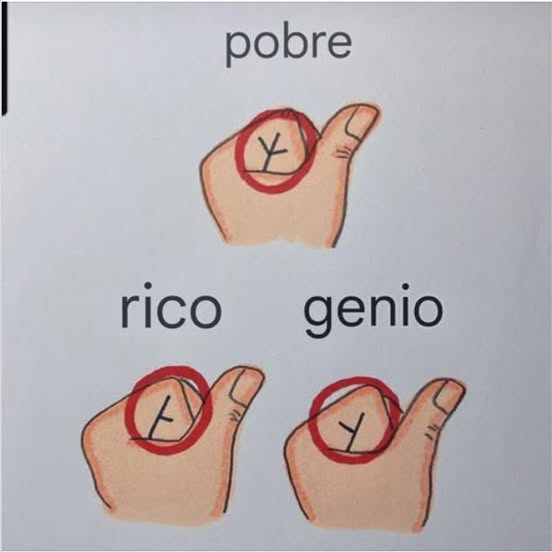
For example, studies in sociology and public health have found that people who work in manual labor—such as construction, farming, or manufacturing—tend to have stronger hands, with calluses and signs of physical wear and tear. This may reflect a harder work life, generally associated with lower incomes. In contrast, those in intellectual or office professions tend to have more well-maintained hands, reflecting a less physically demanding work environment and greater economic opportunities.
There’s also a biological perspective. Research on finger length, particularly the ratio of the index to ring finger, has suggested possible links with prenatal hormone levels that could influence risk-taking behaviors or cognitive skills, which, in the long term, could influence socioeconomic status.
However, it’s important not to fall into simplistic determinism. The shape of your hand doesn’t dictate your future. Social conditions, access to education, family environment, and available opportunities have a far greater influence on a person’s life than any physical characteristic.
In short, although certain aspects of one’s hands may reflect current or past living conditions, they are not a sealed destiny. The real key to breaking cycles of poverty lies in equal opportunity, education, and social policies that allow every person to develop their potential, regardless of how their hands look.